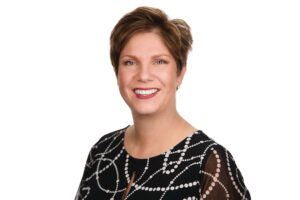
 By Maaike Campbell, Director, Ontario Federation of Agriculture
Agriculture is one of the most important sectors in Ontario’s economy. Our farms and food businesses contribute more than $51 billion annually, support about 10% of the province’s jobs, and produce the food, fuel, fibre and flowers that Ontarians rely on every day.
Agriculture is also a cornerstone of Canada’s economy and food security, yet farmers represent less than two per cent of Canada’s population. That reality creates both a challenge and a responsibility.
As a relatively small segment of the population, we cannot assume decision-makers automatically understand agriculture’s unique needs or the impact their decisions can have on farm businesses. We need strong voices willing to speak up for our sector locally, provincially and nationally to ensure agriculture is considered whenever important decisions are being made.
This can include many issues, from preserving farmland for agricultural uses, advocating for rural infrastructure and highlighting the need for business risk management programming to the proposed Alto high-speed rail project in Eastern Ontario and Quebec.
My family and I farm in Lambton County and in our area, a proposed Minister’s Zoning Order affecting land around the Cargill grain terminal in Sarnia is a big concern. That facility is a critical piece of agricultural infrastructure, providing grain handling and market access for approximately 35 per cent of southern Ontario’s grain exports.
These are exactly the kinds of issues that demonstrate why agriculture needs effective representation. That is also why the Ontario Federation of Agriculture’s upcoming zone director elections are important.
OFA directors are elected by farmers, for farmers, ensuring agricultural voices are represented at decision-making tables across Ontario and this year, nominations are open in five different regions. Members of the OFA’s provincial board help shape policy positions, advocate on behalf of members and ensure local concerns are brought forward to provincial discussions.
As farmers in these zones prepare to elect their representatives, I encourage anyone who has ever considered becoming more involved in agricultural leadership to think seriously about putting their name forward.
I know firsthand that running for a leadership position can be intimidating – I was in this position last year, when deciding whether or not to stand for election.
Ultimately, I believe that if you want to see change, you need to be willing to be part of that change. I’ve always loved farming, but I also enjoy the opportunity to talk about agriculture, engage with decision-makers and work alongside others who are passionate about making our industry stronger.
My husband and I have four children, and whether they choose careers on the farm or elsewhere in the agri-food sector, I want there to be a vibrant and successful industry waiting for them if that’s the path they choose.
Agriculture will always face challenges beyond our control. Weather, markets and global events can create uncertainty overnight, but we can also play a role in shaping our future by being engaged with organizations like OFA.
And if you’re not ready to take the big step of joining the provincial board, there are many ways to contribute, from serving on a committee or helping with policy development through our Policy Advisory Council to volunteering with your local federation or serving in a leadership role with a commodity organization.
For anyone considering a future leadership role, my advice is to start by getting involved in your community. Join your county federation, attend meetings and learn what issues are affecting farmers in your area by listening to their concerns and experiences.
Effective representation isn’t about having all the answers. It’s about understanding the issues, hearing different perspectives and being willing to advocate on behalf of others.
Agriculture’s future depends on farmers who are prepared to get involved, and every contribution helps strengthen our industry’s voice.
Because when agriculture speaks with a strong, united voice, we are better positioned to protect what matters, address challenges and create opportunities for the next generation of farmers.
Learn more information about OFA’s director elections here.
For more information or to schedule an interview:
Tyler Brooks
Director of Communications and Stakeholder Relations
Ontario Federation of Agriculture
519-821-8883
[email protected]